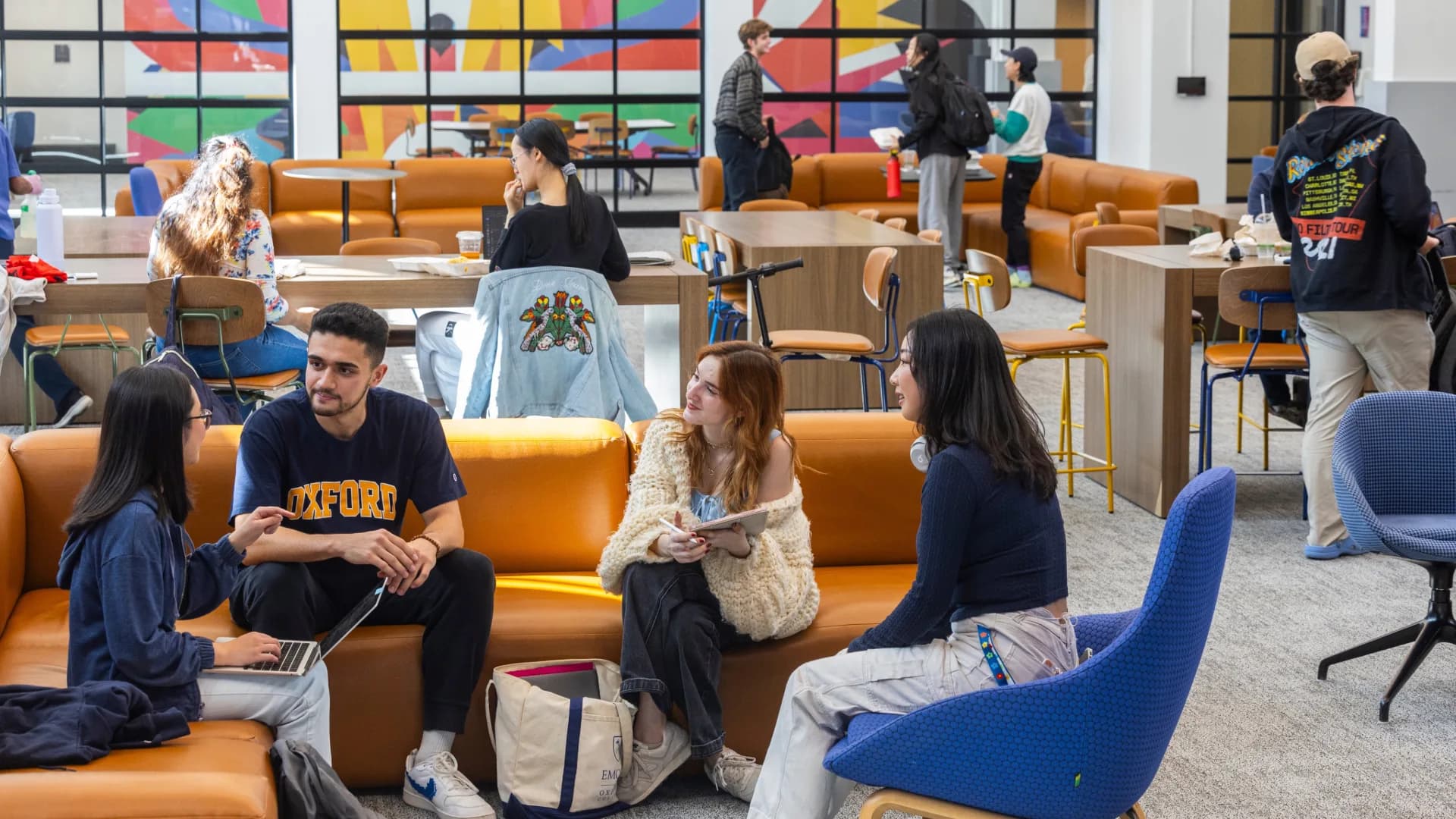
Make your research paperready
Register nowAn eight-week scientific research program
Applications close October 31.
8
weeks — from kickoff to defense
1:1
every week, with the same mentor
3,000–5,000
words in the finished paper
4
students, the most any one mentor carries
Mapped out before you start, so you always know what's due.
Nothing here gets figured out as you go. Every week ends in one assignment, one call, and one thing you can do by Friday that you couldn't do on Monday.
Learn to read the field, not the paper
A literature matrix of 12 papers: claim, method, sample, weak point.
Search with a target, not just hope.
Find the gap in what's known
Three candidate gaps, each backed by evidence.
Tell an open question from an answered one.
Turn the gap into a testable claim
One page: hypothesis, variables, what would prove you wrong.
State the claim clearly and testably.
Design a study that survives review
A Methods section: sample, controls, ethics, power calc.
Justify exactly how many observations you need.
Collect what you designed
A clean dataset, process fully documented.
Know which rows you're allowed to drop.
Find out what you actually found
A results table and two figures.
Run the right test without overstating it.
Write in the style your field expects
An IMRAD draft, 3,000–5,000 words, APA/IEEE.
Write to argue, cite without a generator.
Defend it in front of people
A conference poster, 7-minute defense, 15 minutes of questions.
Own the weakest point and still hold the room.
Three tracks. The teaching is the same on all of them.
What changes between tiers is how much of a working researcher's time you get, not which curriculum you're allowed to see.
Basic
For students who need structure and will bring their own discipline.
The full curriculum, a workspace, and a lecture library. Your work gets reviewed, but the weekly hour isn't only yours.
- Materials to learn about Research
- The full eight-week curriculum
- Written review of all eight deliverables
- Big group sessions with mentors
- The work bench and lecture library
- AI mentor
- A finished, independently written paper
Pro
For students who want a dedicated mentor. Most people pick this.
One researcher, fifty minutes a week, eight weeks — and a real defense at the end.
- Everything in independent Research
- Lectures from professors of Top10 universities
- Weekly small sized sessions with mentors, 50 minutes
- Line-by-line editing of the manuscript
- Oral defence before a faculty panel
- Conference poster, designed and critiqued
With scholarship
Premium
For students who want to place the paper somewhere after the program.
Everything in Pro, plus a hand-picked mentor and help getting published.
- Everything in Pro
- One-on-one mentorship
- Weekly one-on-one session with professors of Top10 uni
- Publishing the research program
- Full access to the research program community


The people behind StemX.
Every cohort is run by a small team that builds the curriculum, matches mentors, and tracks every student's progress.
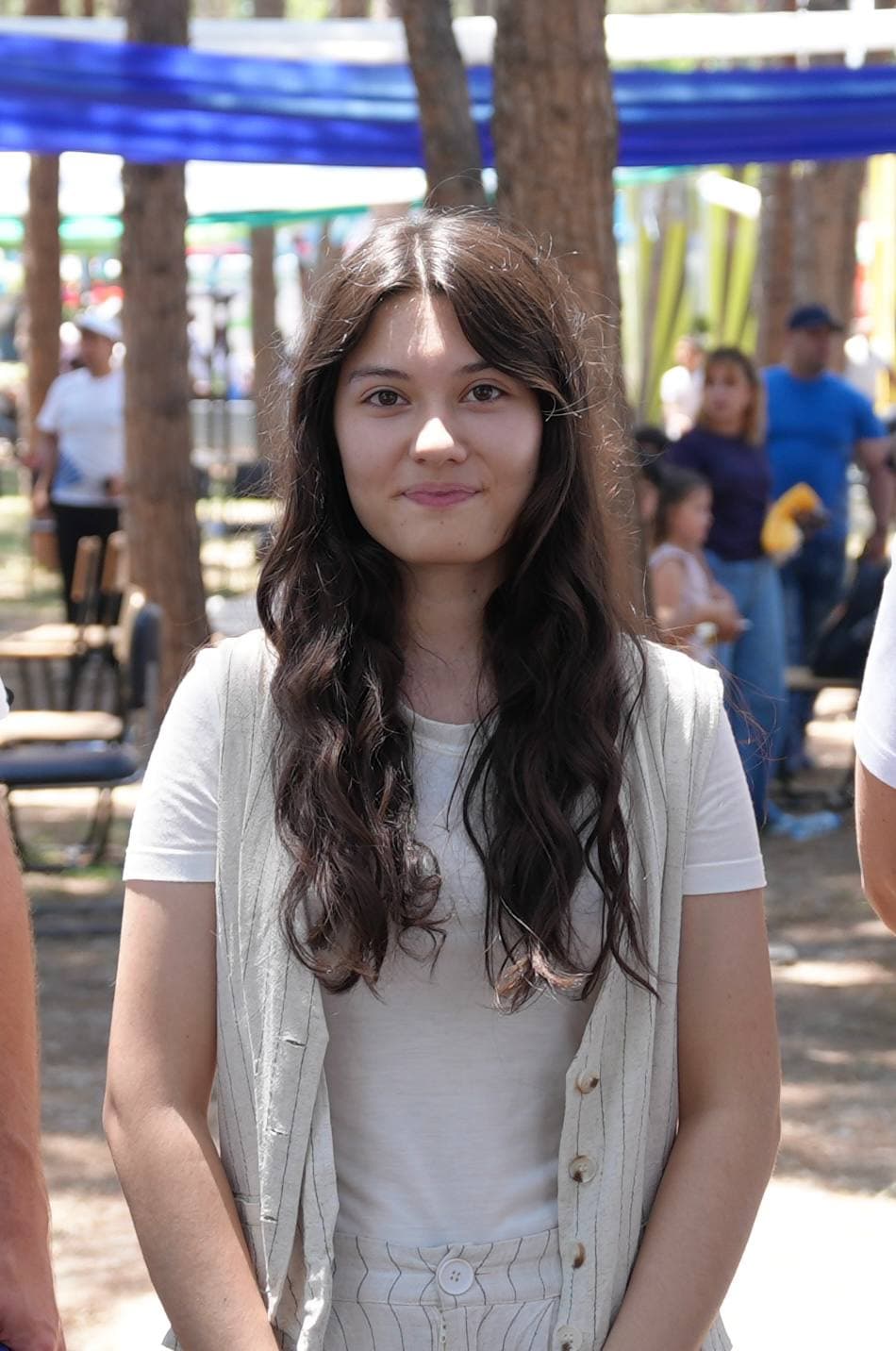
Rizakulova Asal
Founder & Director
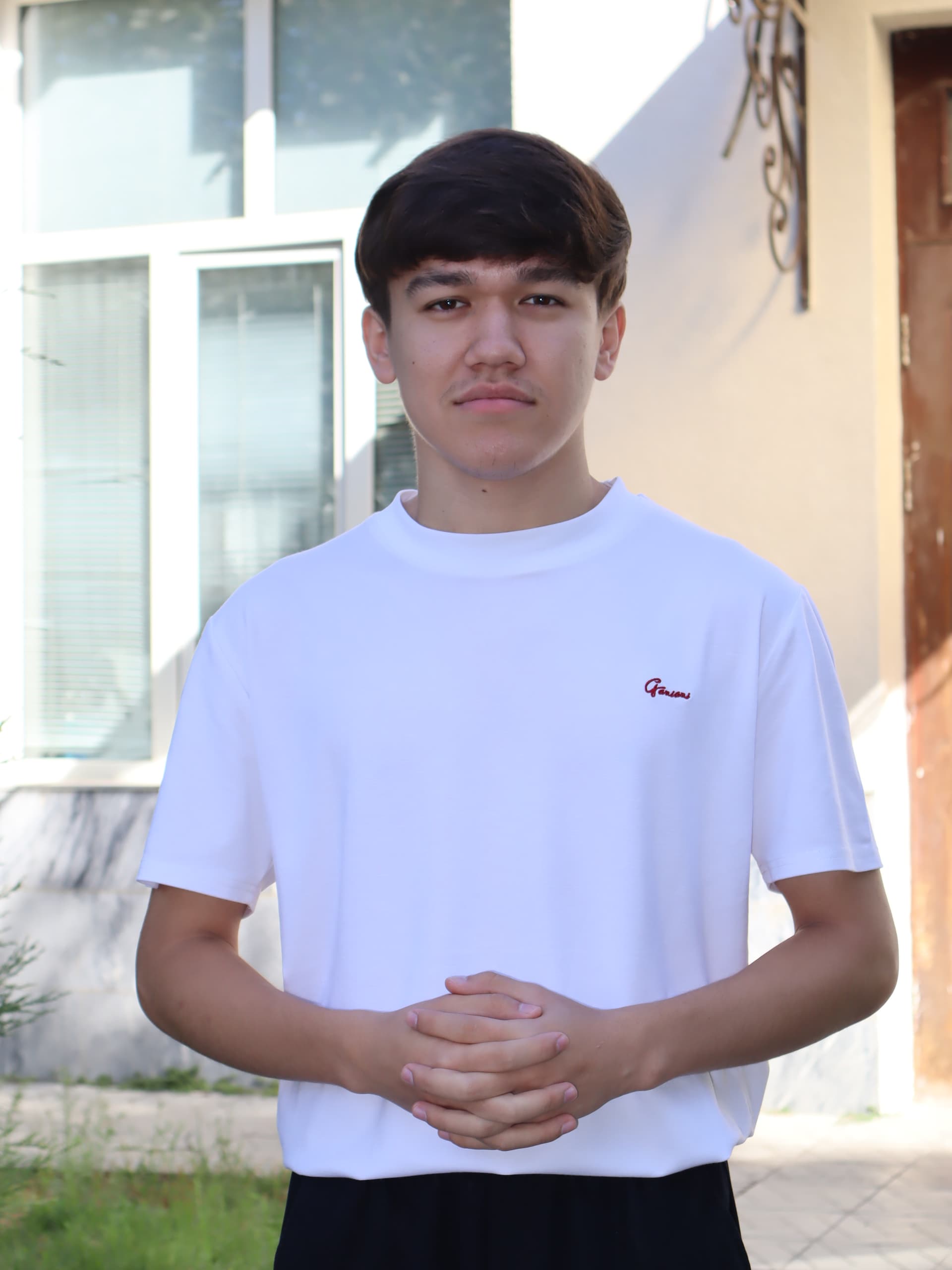
Sukhrobjon Majitov
Developer
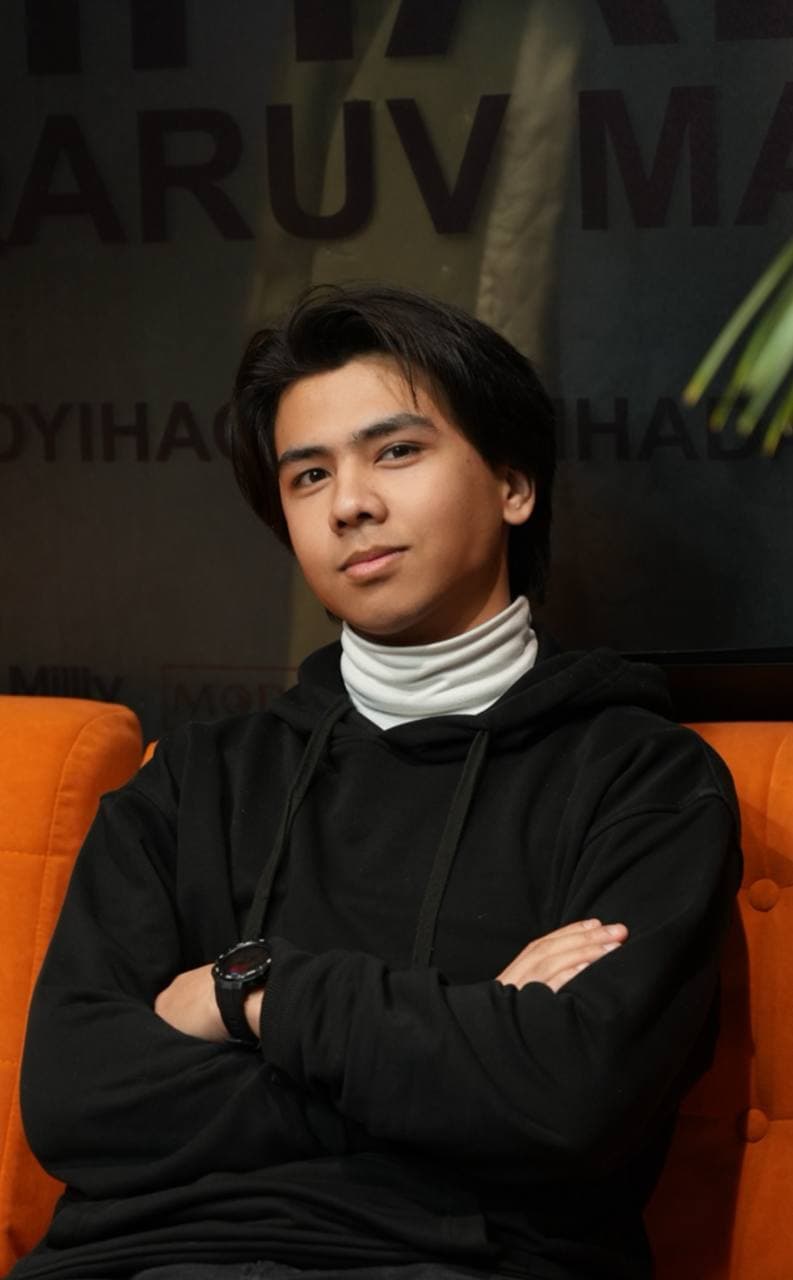
Saidakbar Saidakhmedov
CMO
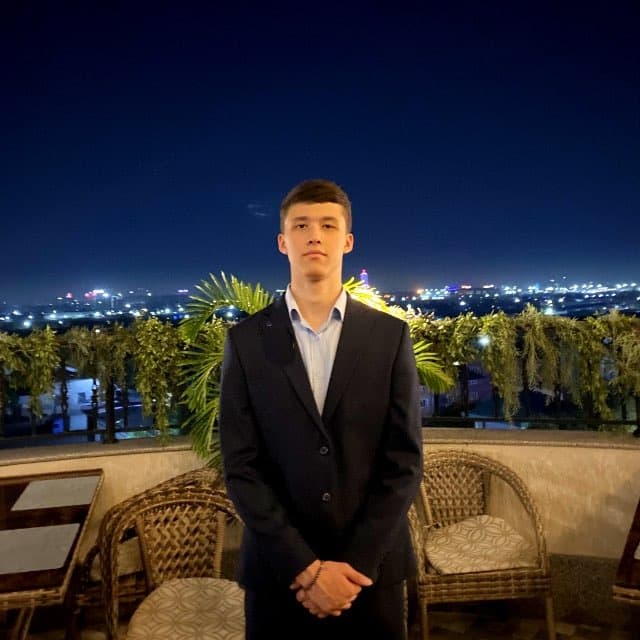
Nodirbek Nurullayev
Operational manager
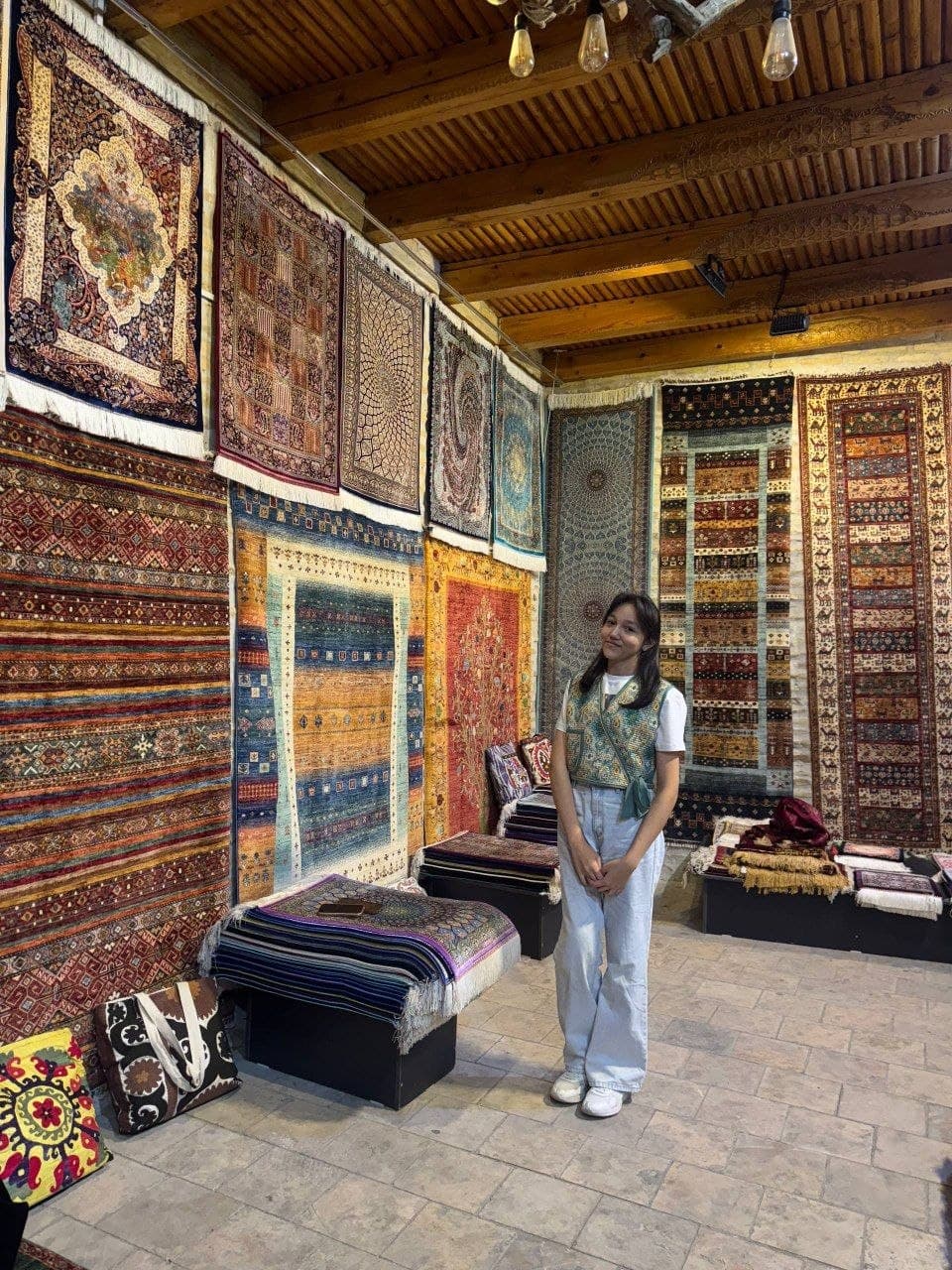
Diyora Olimova
Researcher
Rizakulova Asal
Founder & Director
Sukhrobjon Majitov
Developer
Saidakbar Saidakhmedov
CMO
Nodirbek Nurullayev
Operational manager
Diyora Olimova
Researcher
Researchers who are still publishing.
Not undergrads a year ahead of you, and not retired professors lending their name to a letterhead. People doing, right now, the work they're teaching you.
Our mentors hold or are completing doctorates at the following institutions:
University names indicate where our mentors studied or work. They do not sponsor, endorse, or accredit the StemX program.
Papers our students have finished.
Each one was written by someone who, eight weeks earlier, had never written a Methods section.
What they say once the cohort ends.
Pulled from the exit survey, published with permission, edited only for length.
“The useful part wasn't the teaching. It was having someone actually read the draft and honestly say the second half wasn't working yet. No one had ever done that for me before.”
“The useful part wasn't the teaching. It was having someone actually read the draft and honestly say the second half wasn't working yet. No one had ever done that for me before.”
“The useful part wasn't the teaching. It was having someone actually read the draft and honestly say the second half wasn't working yet. No one had ever done that for me before.”
“The useful part wasn't the teaching. It was having someone actually read the draft and honestly say the second half wasn't working yet. No one had ever done that for me before.”
“I came in with a huge question. By week three it had been broken into pieces, and what was left was small enough to actually answer. For me, that was the whole program.”
“I came in with a huge question. By week three it had been broken into pieces, and what was left was small enough to actually answer. For me, that was the whole program.”
“I came in with a huge question. By week three it had been broken into pieces, and what was left was small enough to actually answer. For me, that was the whole program.”
“I came in with a huge question. By week three it had been broken into pieces, and what was left was small enough to actually answer. For me, that was the whole program.”
“The defense was terrifying for about ninety seconds, then became the best hour of the year. They asked hard questions because they'd actually read the paper.”
“The defense was terrifying for about ninety seconds, then became the best hour of the year. They asked hard questions because they'd actually read the paper.”
“The defense was terrifying for about ninety seconds, then became the best hour of the year. They asked hard questions because they'd actually read the paper.”
“The defense was terrifying for about ninety seconds, then became the best hour of the year. They asked hard questions because they'd actually read the paper.”
“I applied for the scholarship because we couldn't afford it. No one in the program ever brought it up — I didn't expect that, and I haven't forgotten it.”
“I applied for the scholarship because we couldn't afford it. No one in the program ever brought it up — I didn't expect that, and I haven't forgotten it.”
“I applied for the scholarship because we couldn't afford it. No one in the program ever brought it up — I didn't expect that, and I haven't forgotten it.”
“I applied for the scholarship because we couldn't afford it. No one in the program ever brought it up — I didn't expect that, and I haven't forgotten it.”
No, and most students don't have any. The program assumes you've never written a Methods section and starts from there. There's only one requirement: you need to be able to read carefully in the language mentorship is conducted in.
The application takes about twenty minutes.
Most of it is simple. One section asks you to describe, in 150–200 words, a question you'd genuinely want to research. That's the section we read most carefully.
Applications close October 31, 2026